Insights
Why Power Is the New Bottleneck in AI Infrastructure
How energy, not compute, has become the defining constraint in the AI race.
For years, the limiting factor in AI infrastructure was GPUs. Supply chains were tight, lead times were long, and demand for AI training far exceeded available accelerator capacity. But as the industry rapidly scales to frontier‑model workloads, a new—and far more fundamental—constraint has emerged: power.
Large‑scale AI training and inference now require unprecedented electricity density. A single AI‑ready data center campus can demand hundreds of megawatts, and global hyperscaler consumption is growing by double digits annually. But traditional grid infrastructure was never designed for this type of load. Substations take years to permit and build. Transmission corridors are constrained. And in many regions, grid congestion has reached levels that make new connections nearly impossible within required timelines.
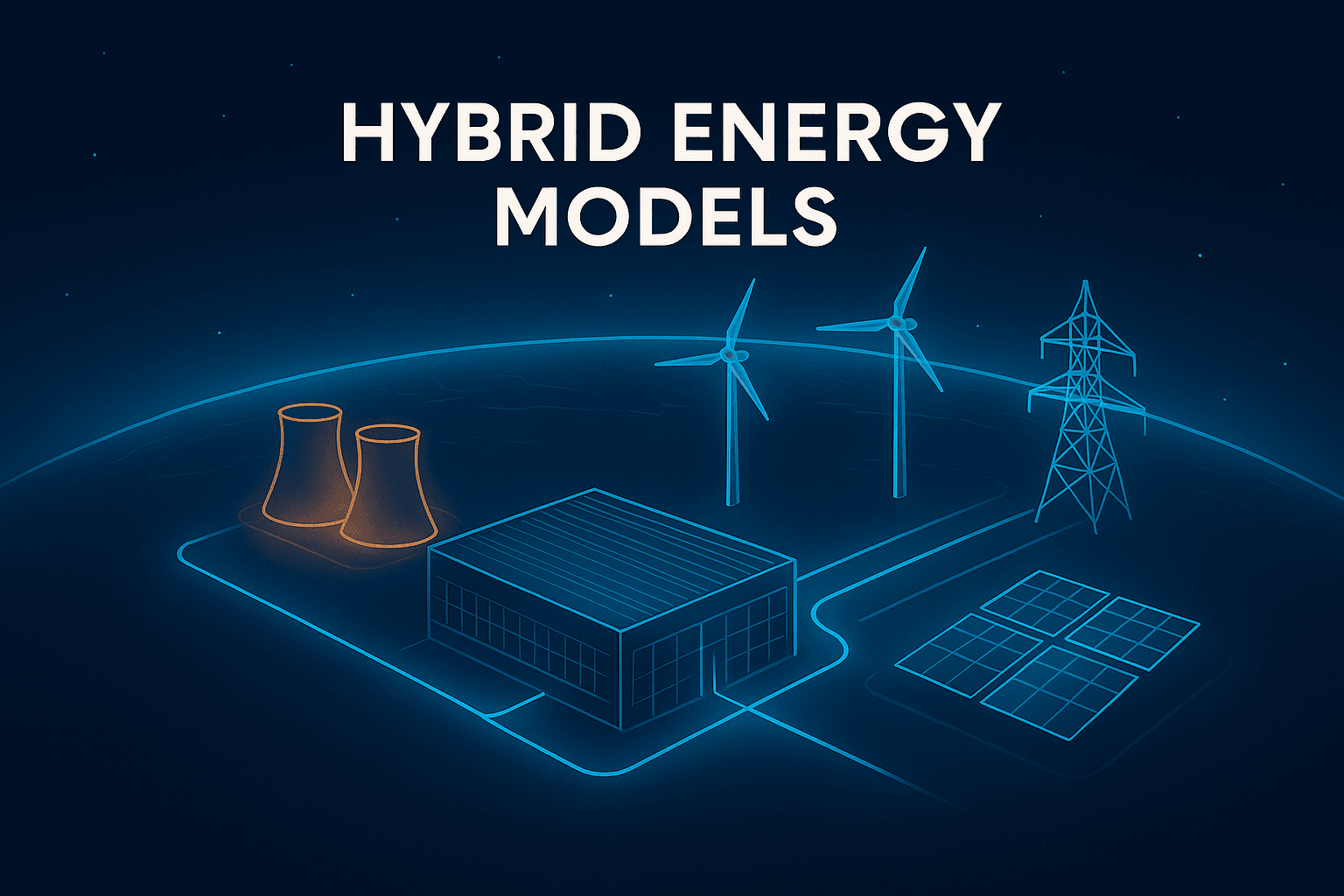
This is why the industry is shifting to behind‑the‑meter (BTM) power, integrating gas generation, renewables, and eventually small modular reactors (SMRs) directly into AI campuses. This model avoids utility‑scale bottlenecks and gives operators long‑term control over availability, cost, and reliability.
Power has effectively become the new “GPU shortage”—but on a national scale. The companies and governments that solve this challenge will determine who leads the next decade of AI innovation.