Insights
How Governments Can Build Sovereign AI Capacity

Why nations need AI‑ready power + compute infrastructure—and how to build it.
As AI becomes foundational to national competitiveness, governments are recognizing that sovereign AI capacity is no longer optional. Critical workloads—public safety, healthcare data, identity systems, financial intelligence, and national security—cannot rely entirely on foreign cloud regions or commercially shared GPU pools.
Yet to build sovereign AI capability, governments must solve three core problems:
1. Power availability that matches AI demand
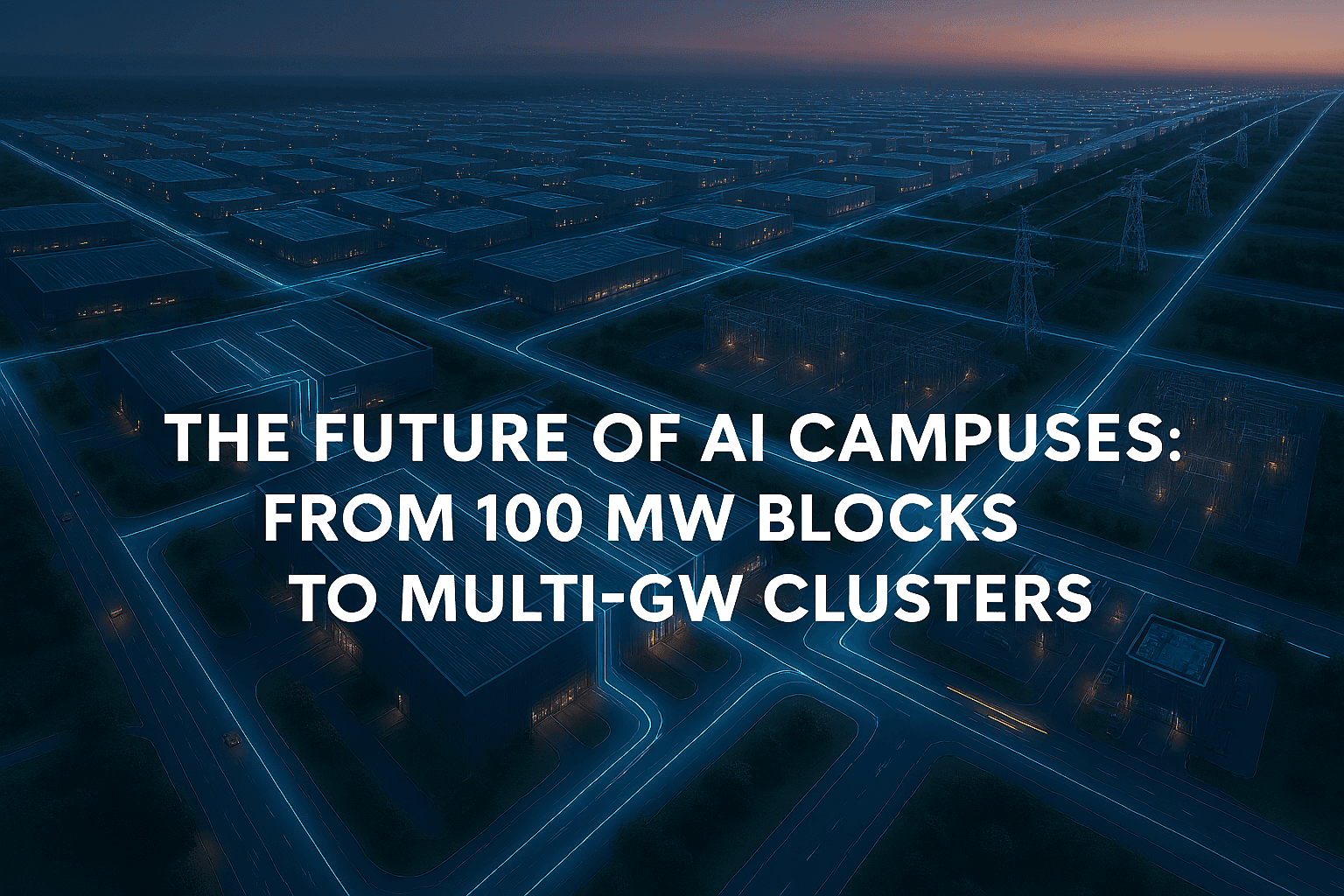
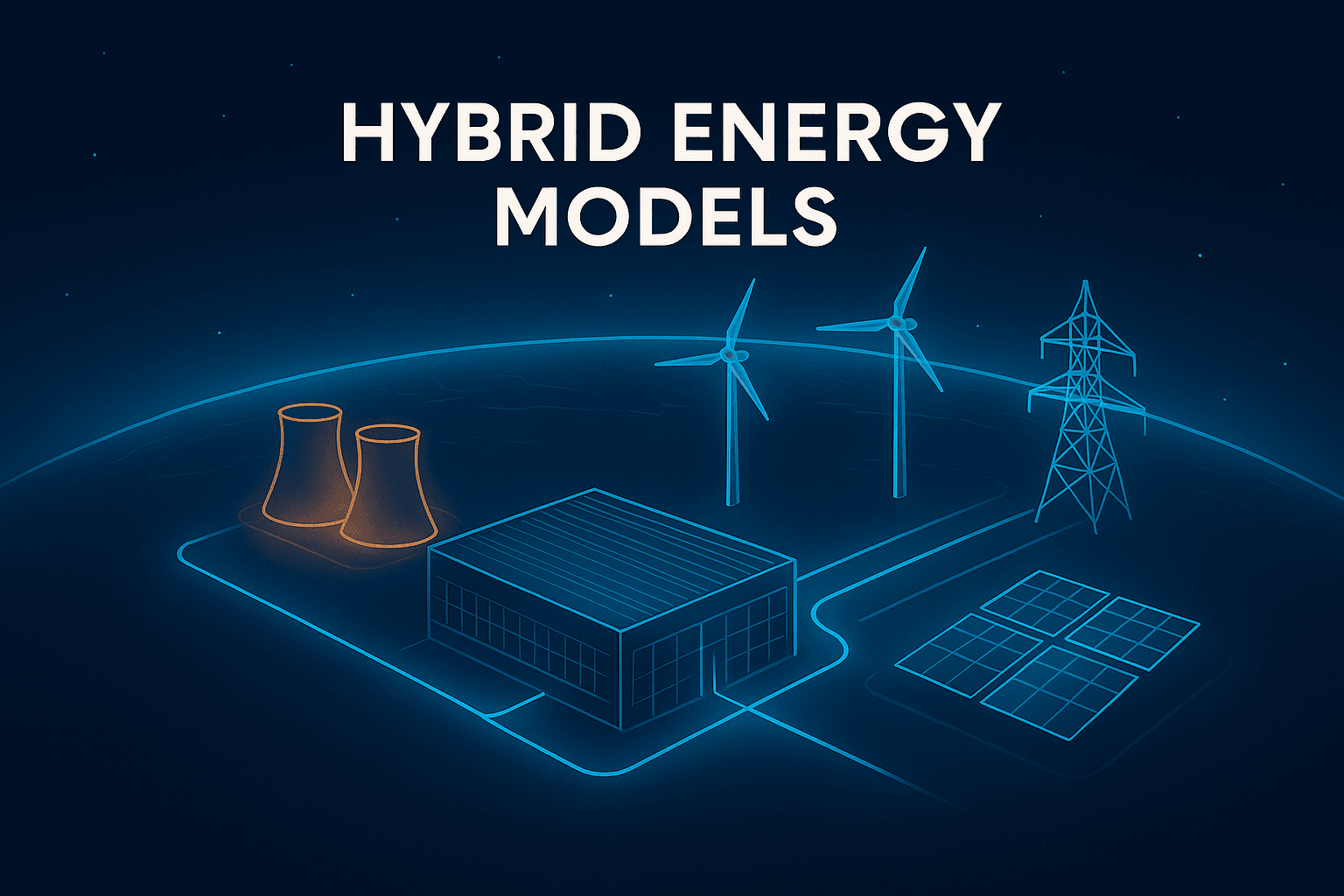
AI clusters require dense, uninterrupted 24×7 hybrid power. Governments must plan for hybrid energy models that combine grid power, natural gas, renewables, and eventually nuclear-based baseload. A 100 MW substation is no longer enough — multi‑GW infrastructure is becoming a national requirement.
2. Sovereign‑grade data center infrastructure
This means controlled‑tenancy facilities, air‑gapped deployments, government‑certified zones, and high‑assurance connectivity. Sovereign AI pods allow agencies to run secure inference and training workloads without relying on external infrastructure.
3. Policy frameworks that accelerate deployment
Traditional approval pathways can take 3–7 years for large infrastructure projects. Governments need single‑window clearances, streamlined land allocation, fast‑track power permissions, and fiber right‑of‑way support to match AI development timelines.
The nations that move fastest will be the ones that pair strategic planning with gigawatt‑scale AI infrastructure, enabling them to participate fully in the global digital economy while securing critical data and compute capabilities within their borders.